
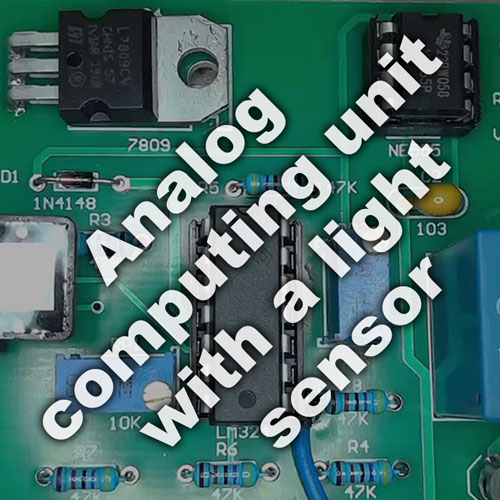
An automatic high-beam controller uses a photovoltaic cell, instrumentation amplifier, comparator, 555 timer, transistor, and relay to detect bright oncoming headlights and switch temporarily to low beams. The circuit also demonstrates analog computing with op amps by combining amplification, subtraction, multiplication, and division while using a virtual ground and adjustable switching threshold.
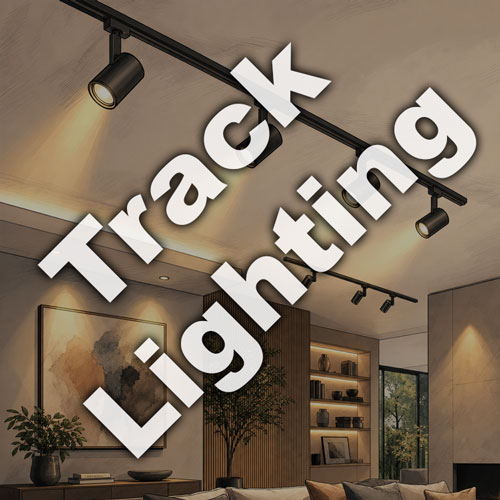
LED track lighting systems let museums, stores, offices and homes reposition luminaires along ceiling rails without rewiring. LEDs reduce power demand, support safe 12, 24 or 48 V DC tracks, and allow slimmer designs. Control can use switched power buses, DALI wiring or wireless links. Trends include narrow, low-profile tracks and magnetic mounts that simplify fixture movement and suit interiors.
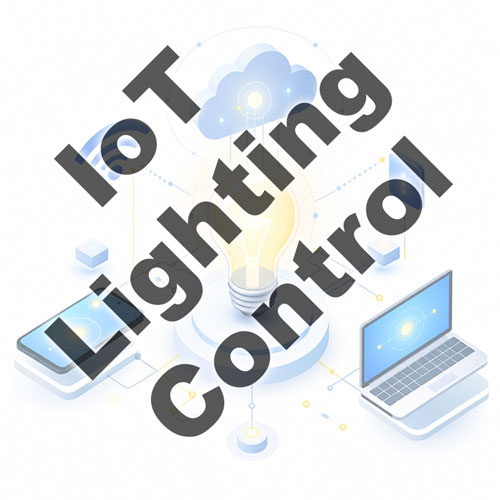
IoT lighting control uses IP networks to connect fixtures through Ethernet, Wi-Fi, BLE, LoRa or NB-IoT. It supports wired PoE systems in offices, wireless smart bulbs in homes, mobile control, cloud functions and wide-area street lighting. Cybersecurity remains a concern, while Matter aims to make certified smart home devices work together across brands, commands and wireless standards globally.
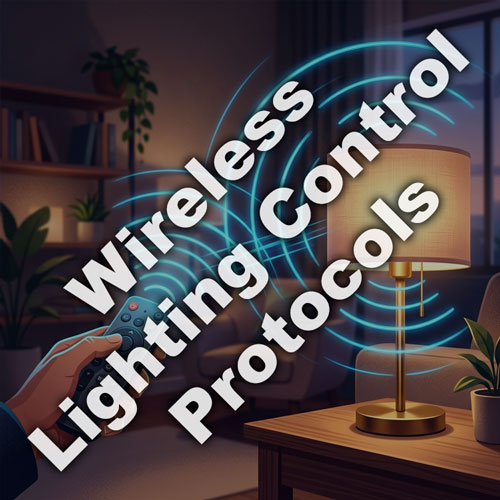
Wireless lighting control relies mainly on Z-Wave and Zigbee. Z-Wave uses sub-1 GHz bands, offers reliable links, low power use, and ranges from 328 ft to 1 mile with LR. Zigbee uses mainly 2.4 GHz, supports mesh networks, lower-cost hardware, and data rates up to 250 kbps. Z-Wave leads in the U.S., while Zigbee is more common globally today overall.
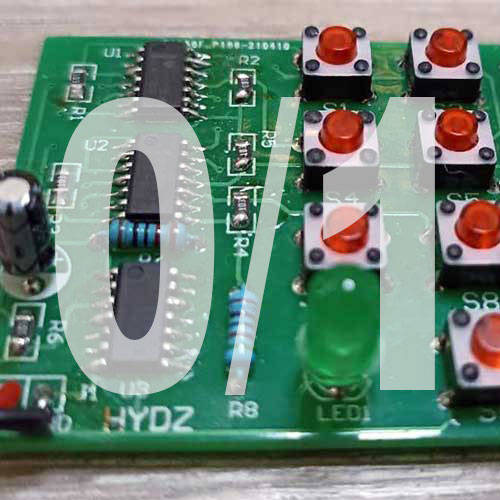
Nowadays, homemade electronic products on microcontrollers are trendy. I am even more interested in assembling different devices on simple logic circuits. Their operating principle is more visual, which gives me aesthetic pleasure. Today we are going to show you four simple devices. Three of them are based on triggers, and the fourth one, which we will start with, could use a trigger.


